
AAAE/ACC Airport Planning, Design, & Construction Symposium
Sponsor Blog
Airports as 24/7 Businesses: Aligning Design, Operations, and Finance Decisions
By Frank McIllwain, PE
Director of Aviation
Garver

Unlike many infrastructure assets, airports do not get to shut down when improvements are needed. They operate around the clock—protecting safety, maintaining airline schedules, and serving passengers—while simultaneously investing in growth and modernization. This reality means that design, operations, and finance decisions are inseparable, even when they’re made in different rooms.
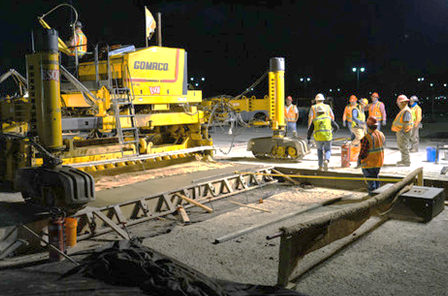
From a design perspective, construction strategies are increasingly shaped by the need to preserve continuous operations. Whether work is performed overnight, phased around peak travel periods, or sequenced to minimize airfield impacts, technical decisions directly affect airline reliability and passenger experience. A short nightly closure or a carefully planned phasing strategy can be the difference between a routine project and one that disrupts airport trust.
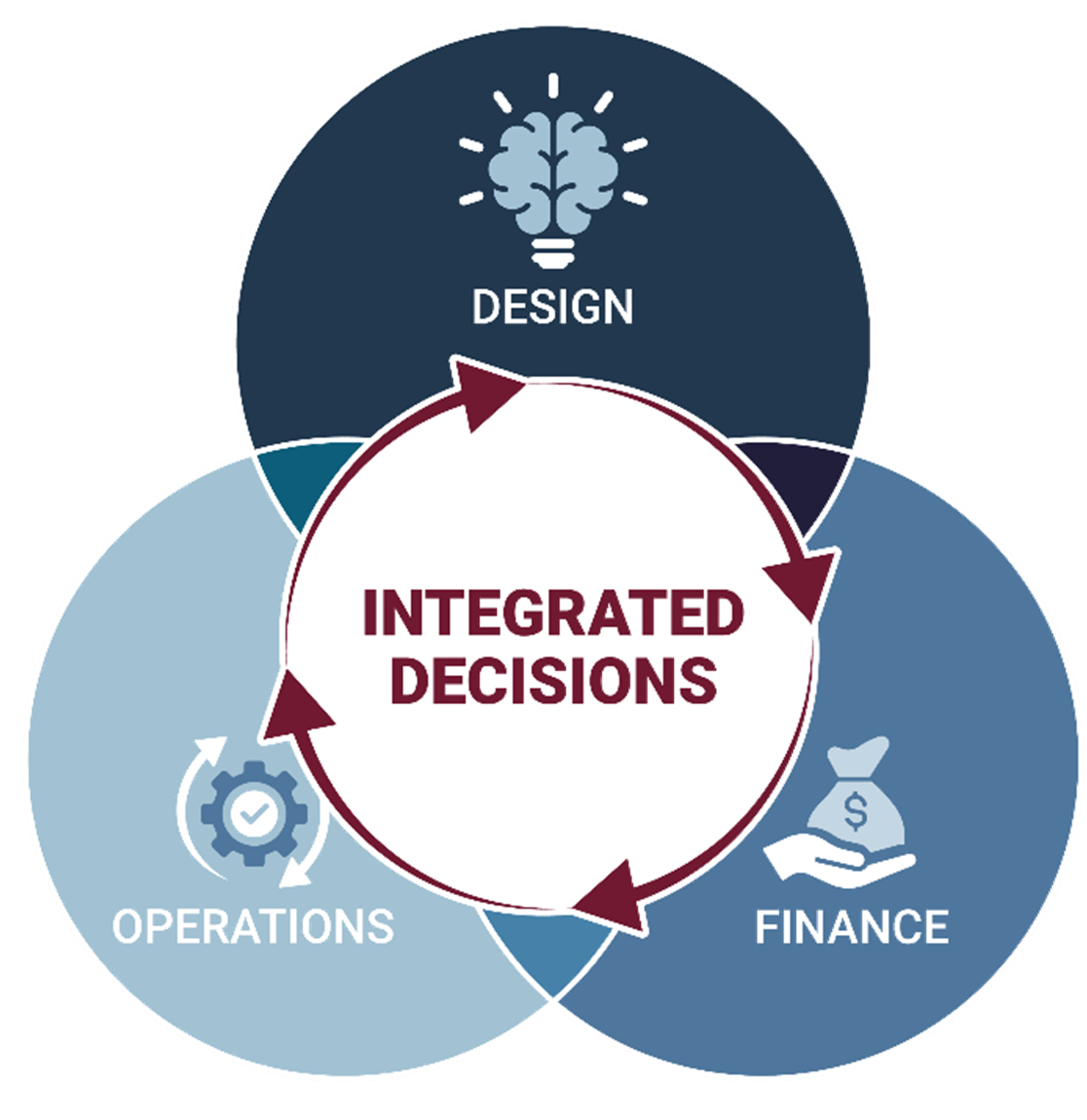
Those operational considerations, in turn, have financial consequences. Delays, extended construction schedules, or unplanned operational impacts can increase costs—not only for airport sponsors but also for airline partners and tenants. Conversely, approaches that reduce disruption can protect revenue streams, maintain airline confidence, and support long term financial stability.
Financial planning also plays a critical role in shaping how and when infrastructure improvements are delivered. Capital funding strategies, rate structures, and debt service decisions influence project scope and timing. Funding choices can determine whether a project is executed as a single major effort or broken into phases that better align with operational constraints. In this way, finance becomes both an enabler and a limiting factor in how design solutions are implemented.
What’s often overlooked is how closely operations connect all of these decisions. Operational teams provide essential insight into peak periods, contingency needs, and risk tolerance. When their perspectives are incorporated early, project teams can identify strategies that protect safety and service while still meeting design and financial goals.
Viewing airports as 24/7 businesses encourages a more holistic approach to decision making. Instead of optimizing one discipline at the expense of others, integrated teams can pursue solutions that balance constructability, operational continuity, and fiscal responsibility. This alignment doesn’t happen accidentally—it requires intentional collaboration and a shared understanding of airport priorities.
As air travel demand continues to evolve and expectations for reliability increase, airports that align design, operations, and finance from the start are better positioned to deliver projects that succeed both technically and strategically. In an always on environment, integration isn’t just good practice—it’s good business.

