


Q&A With the Airport Director: James C. Chrisley, C.M., ACE
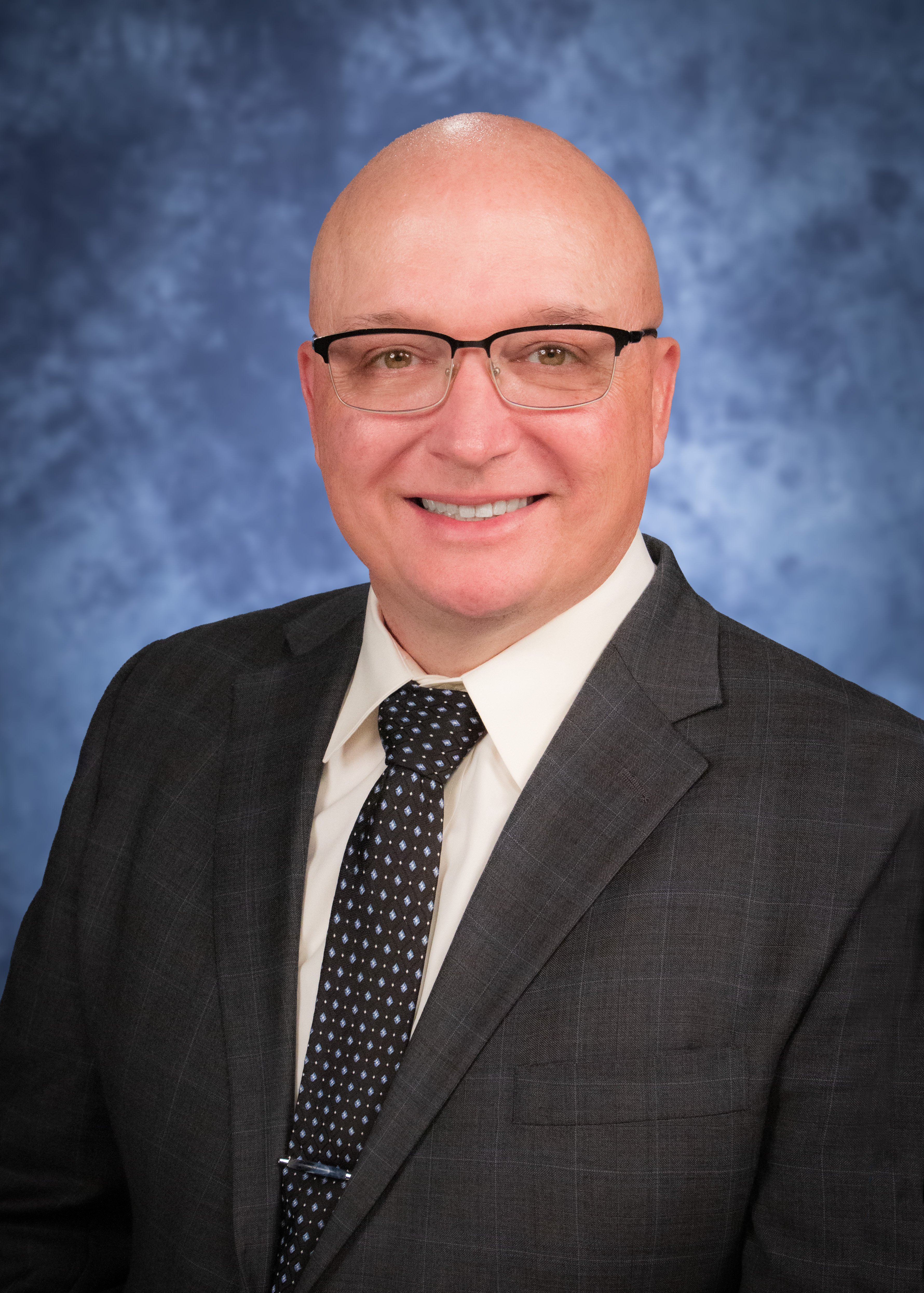
James C. Chrisley, C.M., ACE, was appointed director of aviation for Clark County, Nev., in September 2025, bringing more than three decades of leadership experience across commercial, general aviation and military airport operations both nationally and internationally. In his current role, Chrisley oversees one of the most dynamic aviation systems in the U.S., managing five airports: Harry Reid International, Henderson Executive, North Las Vegas, Jean Sport Aviation Center and Overton-Perkins Field.
You oversee one large hub airport and four general aviation airports. How do you manage competing priorities?
Each airport serves a different role within Southern Nevada’s aviation ecosystem, so the key is understanding how they work together rather than viewing them as competing interests. Harry Reid International is our commercial gateway and economic engine, while our primary reliever general aviation airports support business aviation, flight training, emergency services and general aviation enthusiasts. We focus on aligning resources and investments based on each airport’s mission while maintaining a system-wide perspective.
You really see the value of that type of coordinated approach during major events such as the Formula 1 Las Vegas Grand Prixes and the Super Bowl. Our general aviation airports played a critical role in accommodating the increased private jet activity, allowing us to preserve valuable commercial air service capacity at Harry Reid International — and most importantly meet the aviation demands generated by these world-class events.
How do you attract and retain new airlines and encourage existing airlines to increase their service levels?
Airlines invest where they see demand and opportunity, so our job is to create an environment where they can succeed. Las Vegas is fortunate to be one of the strongest destination markets in the world, supported by tourism, conventions, sports, entertainment and a growing business community. We maintain strong relationships with our airline partners, understand their network strategies and work collaboratively to identify opportunities for growth. We also work hand-in-hand with our partners at the Las Vegas Convention and Visitors Authority to attract and develop international air service. Leveraging their global destination marketing expertise with our aviation network planning efforts has been critical in expanding international service and strengthening Southern Nevada’s global connectivity.
Can you share more about the Southern Nevada Supplemental Airport and what will happen to Reid International once it opens?
The Southern Nevada Supplemental Airport is a long-term capacity solution for our region. Harry Reid
International has been incredibly successful, but it is also a landlocked airport with no additional opportunities for
physical expansion. In addition, our available airspace is constrained by terrain and nearby Department of Defense operations, limiting our ability to add capacity within the existing footprint. As Southern Nevada continues to grow and drives increased demand for air service, the only solution is to add new runway and airspace capacity in the region, which is where the Southern Nevada Supplemental Airport project comes in.
The supplemental airport is intended to complement — not replace — Harry Reid International as part of the Clark County Department of Aviation’s system of airports. Harry Reid will remain Southern Nevada’s primary commercial gateway, while the supplemental airport will allow for additional demand from commercial, general aviation and cargo operations.
The project is currently undergoing the federal Environmental Impact Statement process, and we anticipate receiving a Record of Decision in 2028. While the airport remains a long-term initiative, advancing the environmental review process is a significant step toward ensuring Southern Nevada has the aviation infrastructure necessary to support future growth and economic development.
Las Vegas hosts some mega events, including Super Bowl games and Formula 1 races. How do you manage the surge in both commercial passenger and GA traffic?
Planning and coordination are everything. For major events, preparations begin months — sometimes years — in advance. We work closely with airlines, fixed-base operators, federal partners, local law enforcement, air traffic control and event organizers to develop detailed operational plans. Las Vegas has become one of the premier
event destinations in the world, so managing large surges in traffic is something our team is very experienced with. Whether it’s commercial passengers arriving through Harry Reid or thousands of additional general aviation movements across our system, success comes from preparation, collaboration and communication.
How do you motivate your staff?
It starts with empowerment and communication. People want to understand why their work matters and how it contributes to the larger mission. When team members understand the purpose behind what they’re doing, it
creates a stronger sense of ownership and pride.
Fortunately, airports are exciting places to work. Every day is different and, in a community like Las Vegas, our team plays a direct role in supporting major events, tourism and economic activity. We are often a visitor’s first and last impression of the region, and we take that responsibility seriously. Knowing that our work can help drive the success of the community keeps our employees engaged and motivated.
Prior to joining the Clark County Department of Aviation, you spent more than 20 years with roles of increasing responsibility in the U.S. Air Force. Can you talk a bit about that and how it prepared you for civilian life?
While military and civilian aviation have different missions, they share the same foundation: The safe and efficient movement of aircraft and people. Whether you’re operating an air base or a commercial airport, everything begins and ends with the ability to safely take off and land. My U.S. Air Force experience provided a strong foundation in leadership, operational planning, mission support and managing complex organizations. Those skills translate very naturally into civilian airport management. The biggest difference is that airport operations in Las Vegas include something I never had to manage in the Air Force: slot machines!
You’ve been director of aviation for about a year but spent 10 years as a senior director at the department. Can you talk about the transition from senior director to director of aviation?
The transition has been both exciting and humbling. I often joke that when I was a senior director, I had one boss — the director. Now I have eight-plus bosses on any given day, including the county manager, the Board of
County Commissioners and, in many ways, the entire community we serve.
As a senior director, I had significant responsibilities, but becoming director of aviation brings a much broader level of accountability. Ultimately, the responsibility for the organization, its performance and its future rests with me. One of the biggest shifts has been moving from primarily focusing on airport operations to driving the strategic vision for the entire organization and ensuring that vision is understood and embraced at every level
of the department and throughout the community. The role requires much more emphasis on business strategy, stakeholder engagement, long-term planning and community relationships.
What is your biggest challenge and how do you overcome it?
One of the biggest challenges is communication. Airports operate 24 hours a day, seven days a week, and
employees work across multiple locations and shifts. Ensuring everyone receives consistent information and feels connected to the organization is critical. We’ve embraced a variety of communication tools and technologies, including digital messaging platforms, information displays and regular employee meetings. We also make a point to create opportunities for direct engagement. The more informed employees are, the more
effective and connected they become.
What are you focused on forthe future?
My primary focus is ensuring our airport system is prepared to support Southern Nevada’s growth for decades to come. A major part of that effort is the comprehensive modernization of Harry Reid International. Many of the facilities that serve our passengers today were built for a different era, and we’re undertaking a long-term program to modernize infrastructure, improve efficiency and create the capacity needed to support future demand.
One of the unique challenges is that before we can build some of the highly visible passenger-facing improvements, we first have to complete a series of enabling projects behind the scenes. These foundational investments in utilities, roadways, support facilities and airfield infrastructure are critical to making the larger modernization program possible.
At the same time, we still have to run the airport every day. We’re not building on a vacant site — we’re modernizing one of the busiest airports in the country while it’s operating at full speed. That creates challenges, but it also creates opportunities. Every project we complete is another step toward building the airport Southern Nevada will need 10, 20, 30 and 40 years from now.
What advice do you have for those starting out in the airport operations and management field?
Take advantage of opportunities to gain experience across as many areas of the airport business as possible.
Airports are incredibly complex organizations that sit at the intersection of operations, business, safety, security,
customer service and government regulations. The breadth of your experience will be one of your greatest
assets as your career progresses. Don’t be afraid to take on new challenges or step outside your comfort zone. The more perspectives you gain, the better prepared you’ll be for leadership opportunities in the future.
What is one fun thing someone wouldn’t know about you?
Although self-declared, I am hands-down the #1 Metallica fan.
If you weren’t working at the airport what would be your dream job?
Celebrity chef. I think I would have a good chance, and I’d like to throw down with Bobby Flay or take on an
Iron Chef.
Where is your dream travel destination? And why?
Scotland. I’d love to play the Old Course at St Andrews and experience the history and tradition of the game
where it all began.