


How Airport Sustainability Efforts Support The Modern Economy
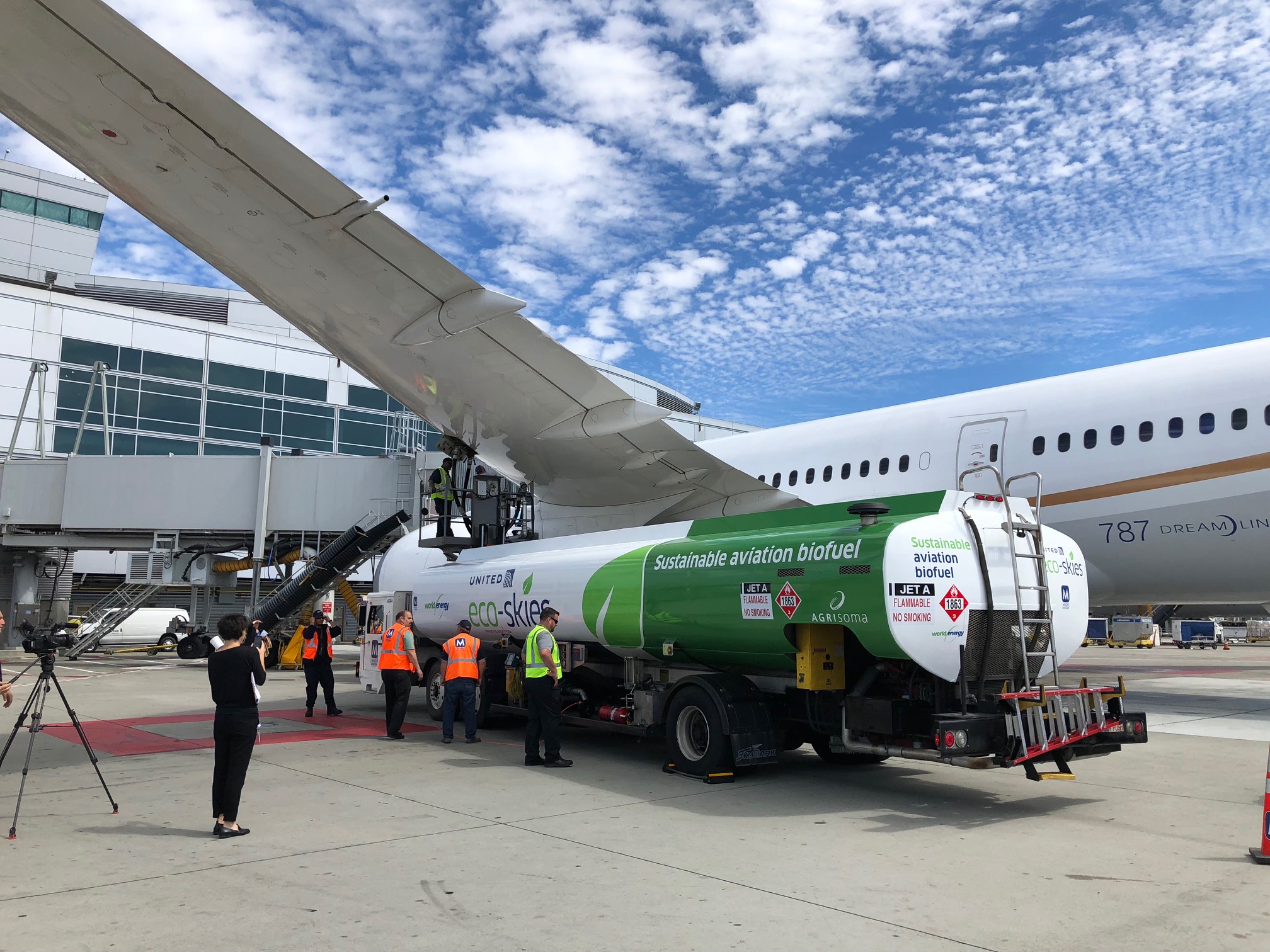
With the increasing global connectedness of the worlds of consumer travel and commercial trade, airports have evolved from transportation hubs to high- impact economic incubators, centers of commerce and gateways to global markets. For airports to continue fulfilling this vital role, they cannot go dark, even for a day, and they cannot lose sight of the long-term picture. Airports must be able to withstand climate-related emergencies, power outages and other disruptions, while leading the way in sustainability.
This evolution brings both opportunities and challenges. The complex ecosystem of construction, operations, logistics and services that brings billions of dollars in economic activity also creates unprecedented pressure on aging infrastructure. Airports must simultaneously modernize facilities, enhance operational efficiency and build resilience while managing growth that extends far beyond the concourse and runway.
Confronting the Infrastructure and Sustainability Gap
To maintain airports’ status as regional growth catalysts, hundreds of billions of dollars are required for infrastructure investment across the country. More investment means larger facilities, higher passenger volumes and more efficient passenger and cargo flow. Yet, financing is constrained, and available funding sources are limited. Given high interest rates, many airports are quickly approaching their borrowing capacity.
At the same time, bigger airports also mean higher stakes: an unplanned outage, system failure or extreme weather event is costly in a connected world. The March 2025 substation fire at London Heathrow Airport triggered more than $100 million in airline losses in just 16 hours, stemming from a lack of sufficient backup capacity to keep the airport operational.
Airport leaders need to invest in modernized, innovative facilities and the resiliency improvements that support them. Resiliency means redundancy and scalability through partnerships and technologies to guard against power grid disruption and reduce future environment and energy-related threats.
Efficiency and resiliency are often pitted against each other in the budget, but in reality, positioning airports as economic growth engines will demand a balance of both.
A Five-Step Strategic Framework for Sustainable Airport Development
Adopting a sustainability-centered mindset means re-envisioning the airport’s role as a driver of regional economic growth, contributing to environmental stewardship and social welfare. Start by identifying gaps in capital, culture and sustainability practices and assess the broader landscape to operationalize your plan with five key steps:
-
Assess community and environmental needs
Put people at the center during the strategic planning. Engage local stakeholders, including businesses, government officials and community-based organizations, to understand economic and environmental priorities and tailor investments to address those goals, such as reducing emissions, enhancing green spaces or contributing to housing and infrastructure in ways that can increase the area’s ecological or social wellbeing and long-term values.
-
Develop sustainable finance models
Create a holistic plan that aligns airport goals on economic growth and resiliency with sustainability key performance indicators (KPIs). Identify opportunities that can demonstrate immediate benefits, including efforts toward renewable energy and resource efficiencies. These quick wins can foster goodwill and support for larger and more capital-intensive projects, such as carbon neutrality.
Several state and local governments have invested in the creation of comprehensive climate and energy action plans. Many of these plans, such as one drafted by Charlotte, N.C., show that appropriately timed and strategic implementation of energy and infrastructure projects can deliver both immediate and compounding long-term benefits.
-
Leverage partnerships for innovation and green initiatives
Explore collaboration with public-private partnerships (P3s) and financing models, such as Design-Build-Finance-Operate- Maintain (DBFOM) to finance and develop airport projects and bring in innovative ideas. Over the past decade, a growing number of airports in the U.S. have been pursuing P3s to develop a wide range of airport assets: from resilient back-end utility infrastructure to awe-inspiring, LEED-certified terminals.
In Pittsburgh, Penn. Allegheny County Airport Authority’s first-of-a-kind solar and gas microgrid P3 resulted in significant redundancy benefits. In New York City and Los Angeles, P3 delivery models have been selected to develop automated people movers and award-winning new terminals with energy efficiency measures that drive productivity and sustainability.
-
Focus on environmental resiliency
Focus on investments that enhance the resiliency of airport operations and reduce climate risks. This could include integrating on-site energy sources for efficiency and business continuity during extreme weather, implementing microgrids or exploring alternative fuels. Emphasize that resiliency should be embedded as a default in all development, not as an add-on.
Sustainable aviation fuel (SAF) is considered one of the most promising paths to achieve net-zero air travel, but those technologies will require substantial investment and infrastructure upgrades, along with collaboration among investors, corporations and government agencies. In Seattle, a major airline manufacturer worked with industry and public sector leaders to adapt infrastructure for SAF, demonstrating how collaborative efforts can achieve ambitious emissions reduction goals and create long-term value.
-
Invest in sustainable workforce development
Position the airport as a living laboratory for environmental innovation and education. Address the aviation sector labor shortage by investing in training programs that prepare students for careers in sustainable airport operations, environmental stewardship and environmental logistics.
Identifying gaps in capital, culture and sustainability practices and assess the broader landscape to operationalize your plan.
Call to Action
As we look to the future, it is important that airport executives take proactive steps to position their facilities as vital contributors to regional economic growth and as development zones for innovation, with sustainability as a cornerstone. By investing in resilient infrastructure, engaging with local communities, adopting sustainable practices, leveraging P3s and continuously monitoring KPIs, airports can enhance the prosperity, protection and development of the communities they serve.
The views reflected in this article are the views of the author and do not necessarily reflect the views of Ernst & Young LLP or other members of the global EY organization.
About Colin Tetreault:
Tetreault serves as a managing director for the EY Climate Change and Sustainability Services division, Ernst & Young LLP. He co-leads EY sustainability strategy and services for government, public sector and public authority clients across North America.